Clay Towel for Car Detailing: A Faster and Safer Way to Remove Paint Contamination
What Is a Clay Towel?
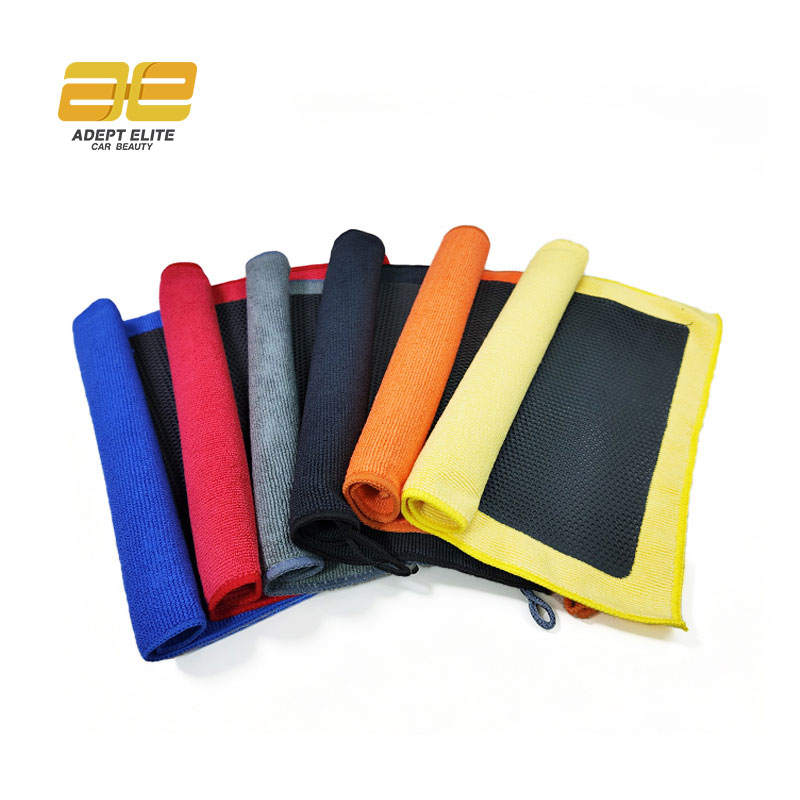
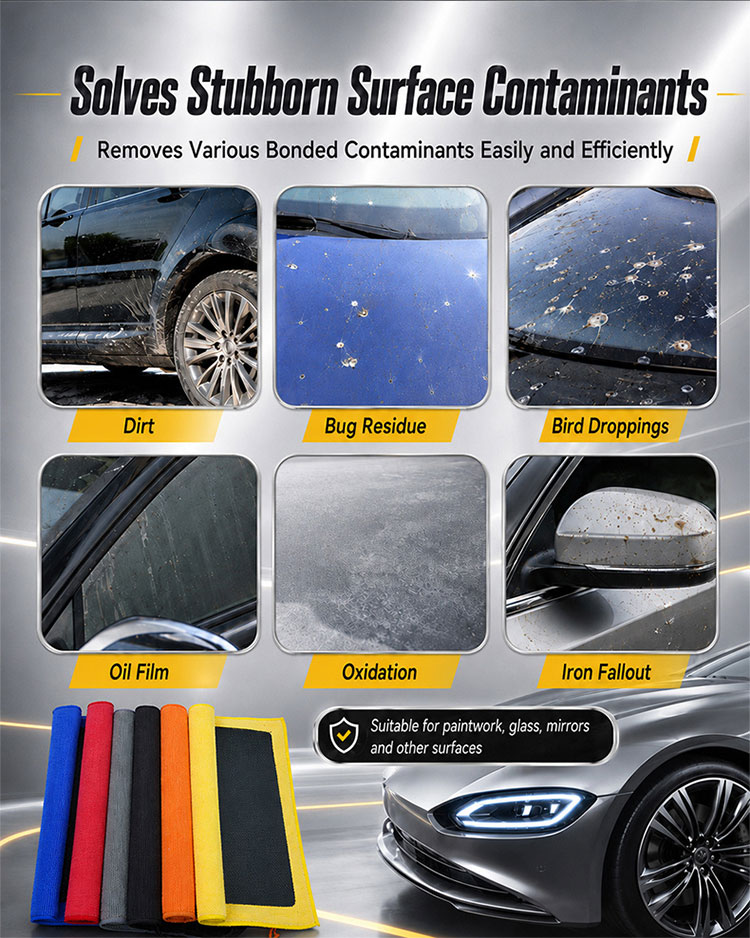
A clay towel is a professional car detailing tool designed to remove bonded contaminants from automotive paint, glass, chrome, and other smooth exterior surfaces.
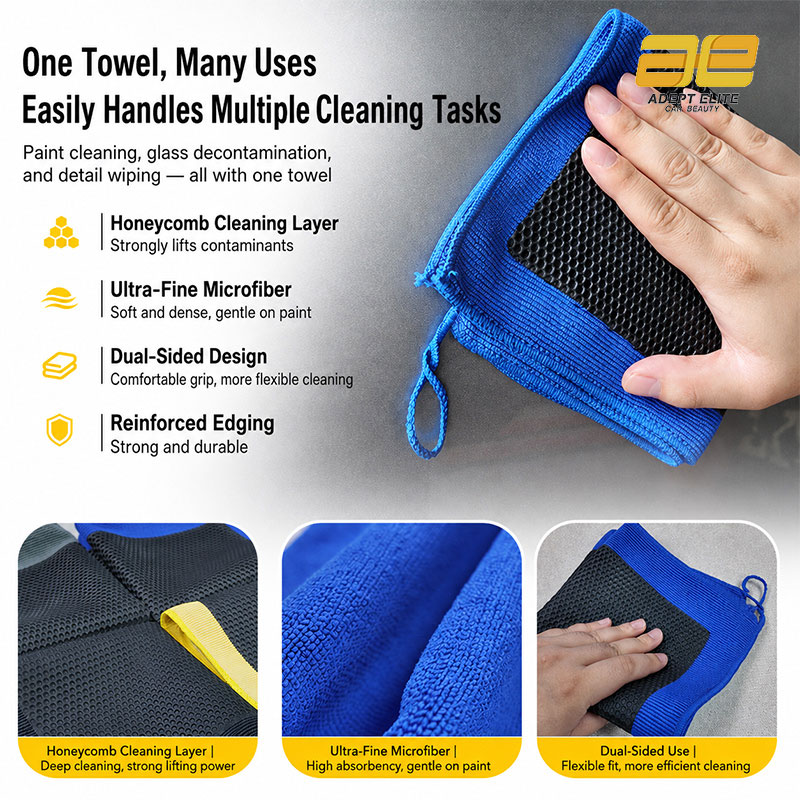
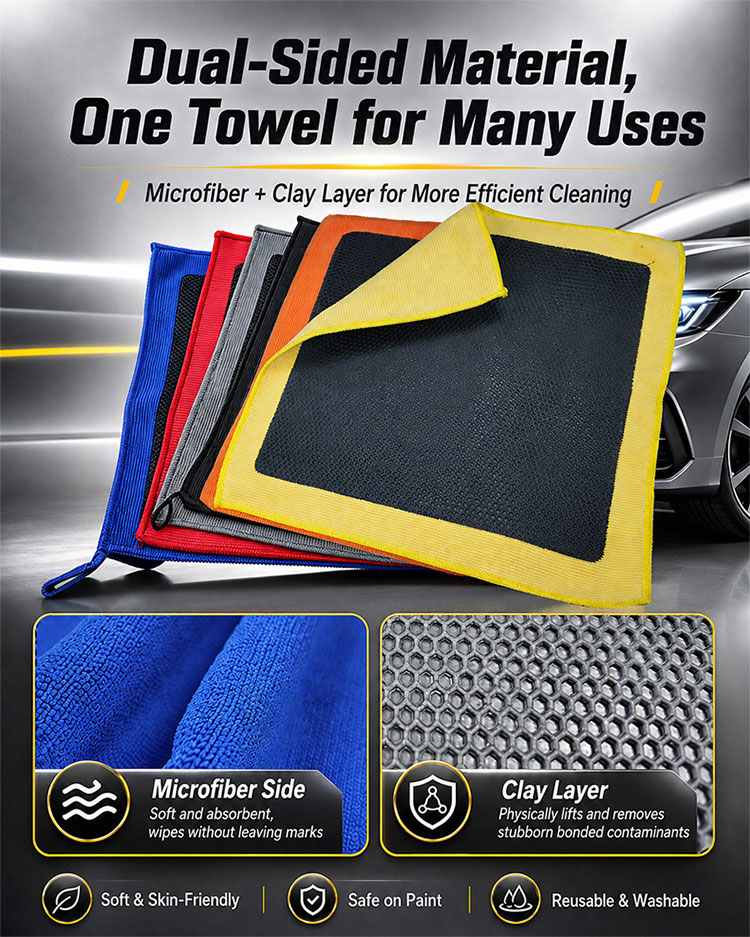
Unlike a regular microfiber towel, a clay towel combines a soft microfiber base with a special polymerized rubber or synthetic clay surface. This engineered surface gently grabs and removes contaminants that normal washing cannot eliminate.
Common contaminants include:
- Brake dust
- Industrial fallout
- Rail dust
- Paint overspray
- Tree sap residue
- Road tar particles
- Water spot deposits
- Embedded dirt and environmental pollution
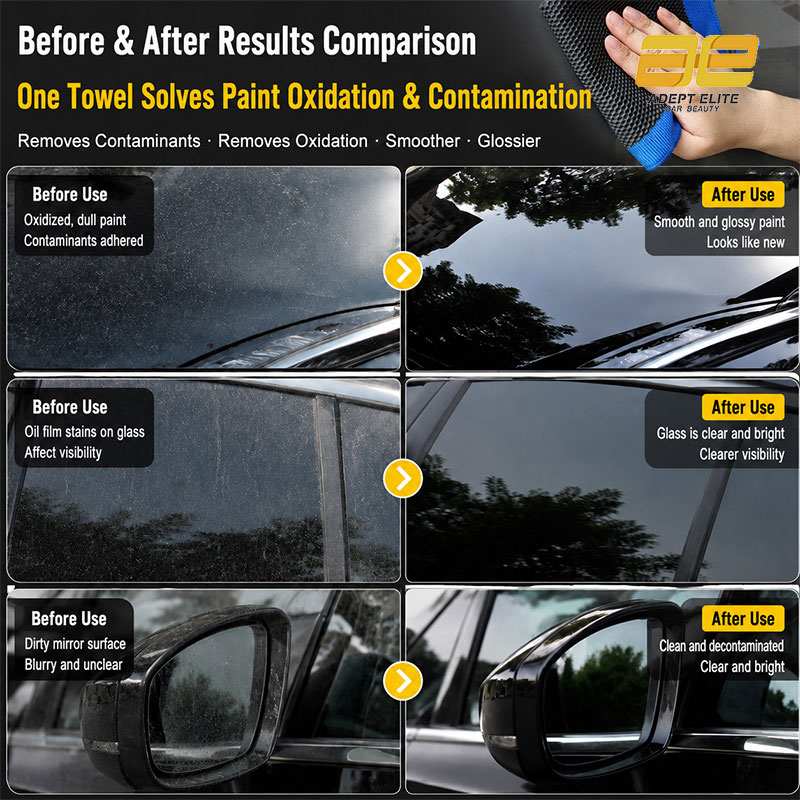
After washing a vehicle, the paint may look clean but still feel rough when touched. This roughness is usually caused by microscopic contaminants bonded to the clear coat.
Using a car clay towel helps restore a smooth, clean surface before polishing, waxing, ceramic coating, or paint protection.
Why Use a Clay Towel for Car Detailing?
Paint decontamination is an important step in professional auto detailing.
Traditional clay bars have been widely used for years, but clay towels are becoming increasingly popular because they offer greater efficiency and convenience.
1. Faster Paint Decontamination
One of the biggest advantages of an auto detailing clay towel is speed.
Because the towel has a larger working surface than a traditional clay bar, detailers can cover larger areas in less time.
This makes clay towels especially suitable for:
- Professional detailing shops
- Car wash centers
- Mobile detailers
- Automotive dealerships
- DIY car care enthusiasts
For businesses processing multiple vehicles every day, reducing detailing time can significantly improve productivity.
Clay Towel vs. Traditional Clay Bar
Both clay towels and clay bars are designed to remove bonded surface contaminants, but they work differently.
A traditional clay bar must be kneaded frequently to expose a clean working surface. If dropped on the ground, it should usually be discarded because dirt and sand can become embedded in the clay.
A clay towel for car detailing, however, can normally be rinsed clean and reused.
This makes it a more practical option for many detailing applications.
Key Advantages of a Clay Towel
Larger Cleaning Area
The larger surface allows faster treatment of vehicle panels.
Reusable Design
After use, the clay surface can be rinsed with clean water and prepared for the next job.
Easy Handling
The microfiber backing provides a comfortable grip while working across curved vehicle panels.
Efficient Contaminant Removal
The synthetic clay surface helps remove stubborn contamination that remains after normal washing.
Convenient Storage
Clay towels are lightweight, flexible, and easy to store with other detailing accessories.
How to Use a Clay Towel Correctly
Proper technique is essential when using any paint decontamination product.
Step 1: Wash the Vehicle
Start with a thorough car wash.
Remove loose dirt, mud, sand, and road grime before using the clay towel. Never use a clay towel on a heavily soiled vehicle because loose abrasive particles may scratch the paint.
Step 2: Inspect the Paint
Run your hand gently across the clean paint.
If the surface feels rough or slightly gritty, bonded contamination is likely present.
For a more sensitive test, place your hand inside a thin plastic bag and lightly move it across the paint.
Step 3: Apply Clay Lubricant
Spray a generous amount of clay lubricant onto the working area.
Proper lubrication is extremely important because it reduces friction between the clay surface and vehicle paint.
Suitable lubricants may include:
- Dedicated clay lubricant
- Car wash solution
- Detail spray
- Manufacturer-approved clay lubricant
Never use the towel on a dry surface.
Step 4: Glide the Clay Towel Across the Surface
Move the towel gently across the lubricated paint using straight-line motions.
Do not apply excessive pressure.
At first, you may feel resistance as the clay towel contacts embedded contamination. After several passes, the towel should move more smoothly.
This usually indicates that the contamination has been removed.
Step 5: Wipe and Inspect
Use a clean microfiber towel to wipe away the lubricant.
Inspect the surface and repeat the process if necessary.
The paint should feel noticeably smoother.
Step 6: Continue With Polishing or Protection
After clay treatment, the vehicle surface is ready for the next detailing step.
Depending on your detailing process, you may apply:
- Car polish
- Paint compound
- Car wax
- Paint sealant
- Ceramic coating
- Graphene coating
Removing contamination before these steps helps improve surface preparation and allows protective products to bond more effectively.
Conclusion
A clay towel for car detailing is an efficient solution for removing bonded contaminants that regular washing cannot eliminate.
With its reusable construction, large working area, and easy handling, it provides a convenient alternative to traditional automotive clay bars.
Whether you operate a professional detailing business, distribute car care products, or simply want to maintain your own vehicle, a high-quality auto detailing clay towel can help achieve a cleaner, smoother surface while preparing the paint for polishing and protection.
For car detailing suppliers and automotive care brands, customizable clay towels are also suitable for wholesale, private label, OEM, and professional detailing markets.